

 Facebook
 X
X
 Pinterest
 Copy Link
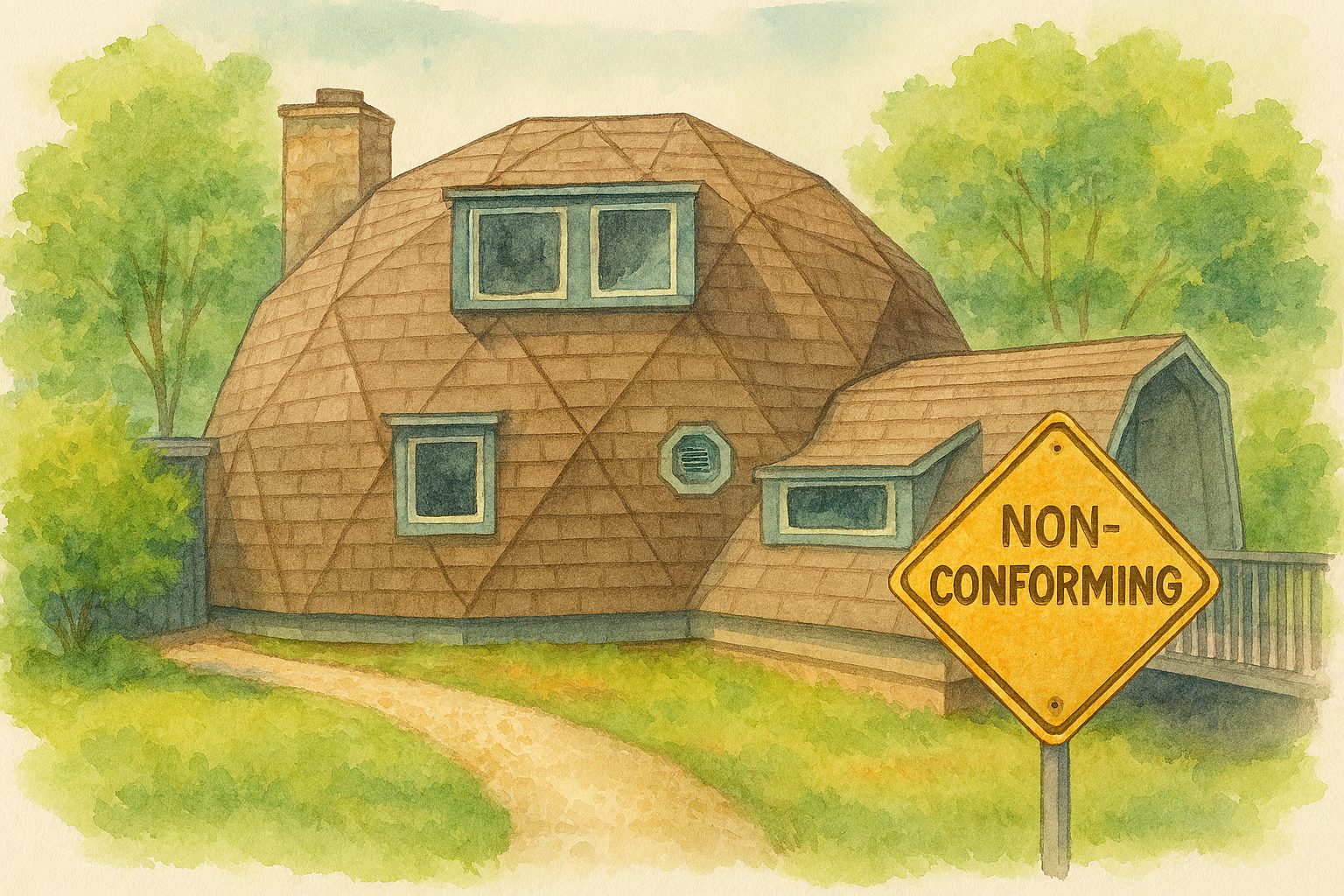
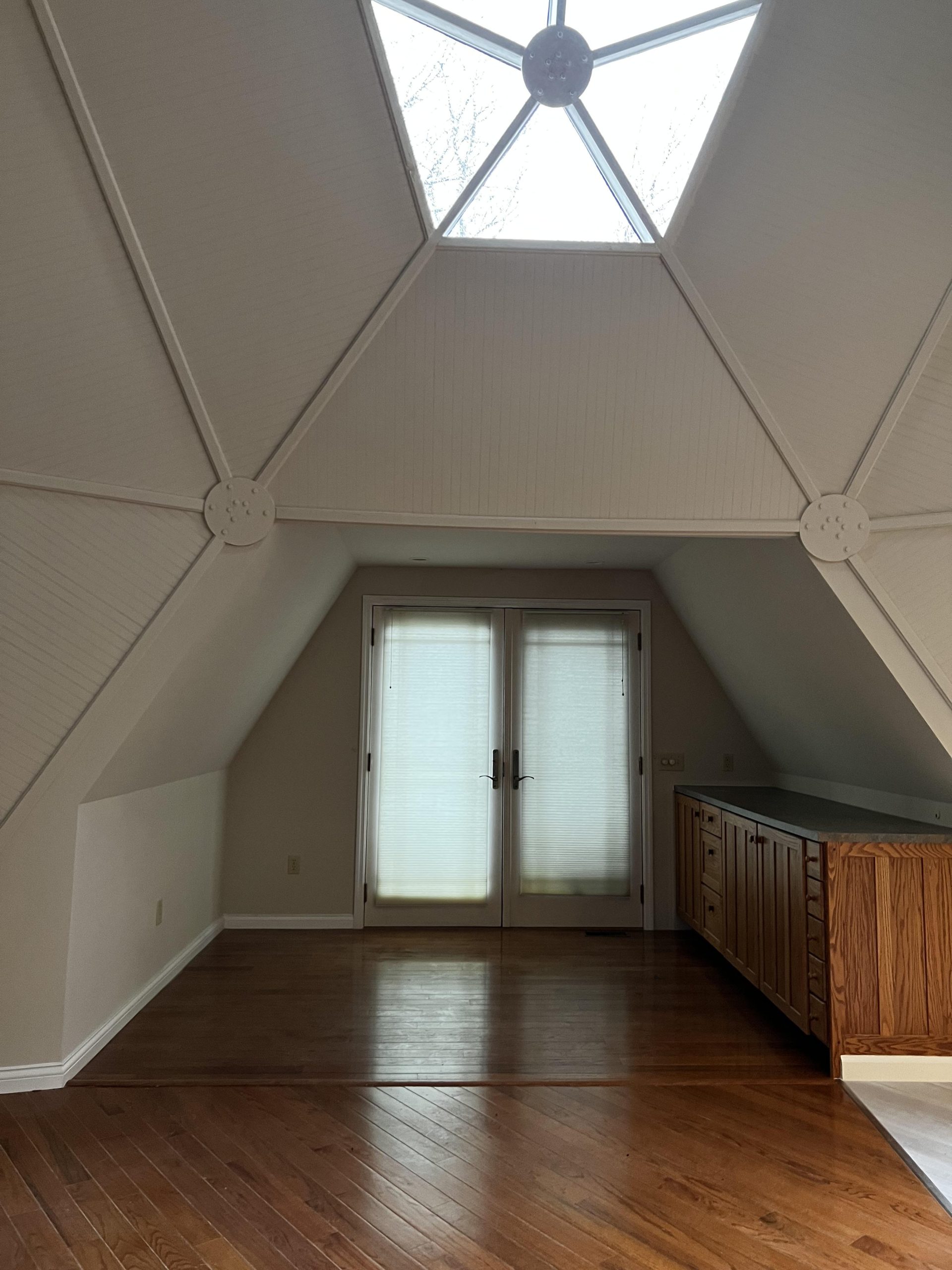
If you’re anything like me and you’ve completely fallen head‑over‑heels for a dome home—or any wonderfully quirky structure like an A‑frame, barndominium, or tiny home—you’re probably already picturing yourself living inside one. I get it. Unique homes have a certain magic to them. They’re eye‑catching and artistic.
But here’s the truth: financing a dome home (or any unconventional property) can be trickier than financing a traditional house. Why? Because in the mortgage world, many of these properties fall under non‑conforming loans. Let’s break down what that means, why it matters, and—most importantly—how to overcome it.
Let’s walk through what that means, why it matters, and how you can navigate it without losing any of the excitement that comes with buying the home of your dreams.
What Is a Non-Conforming Loan?
In the simplest terms, a conforming loan is one that follows the rules set by Fannie Mae and Freddie Mac. These rules help lenders decide what kinds of homes they consider “standard” and how much risk they’re comfortable taking on. So if a property fits the usual expectations for size, value, construction type, and location, lenders typically give it a green light without much fuss.
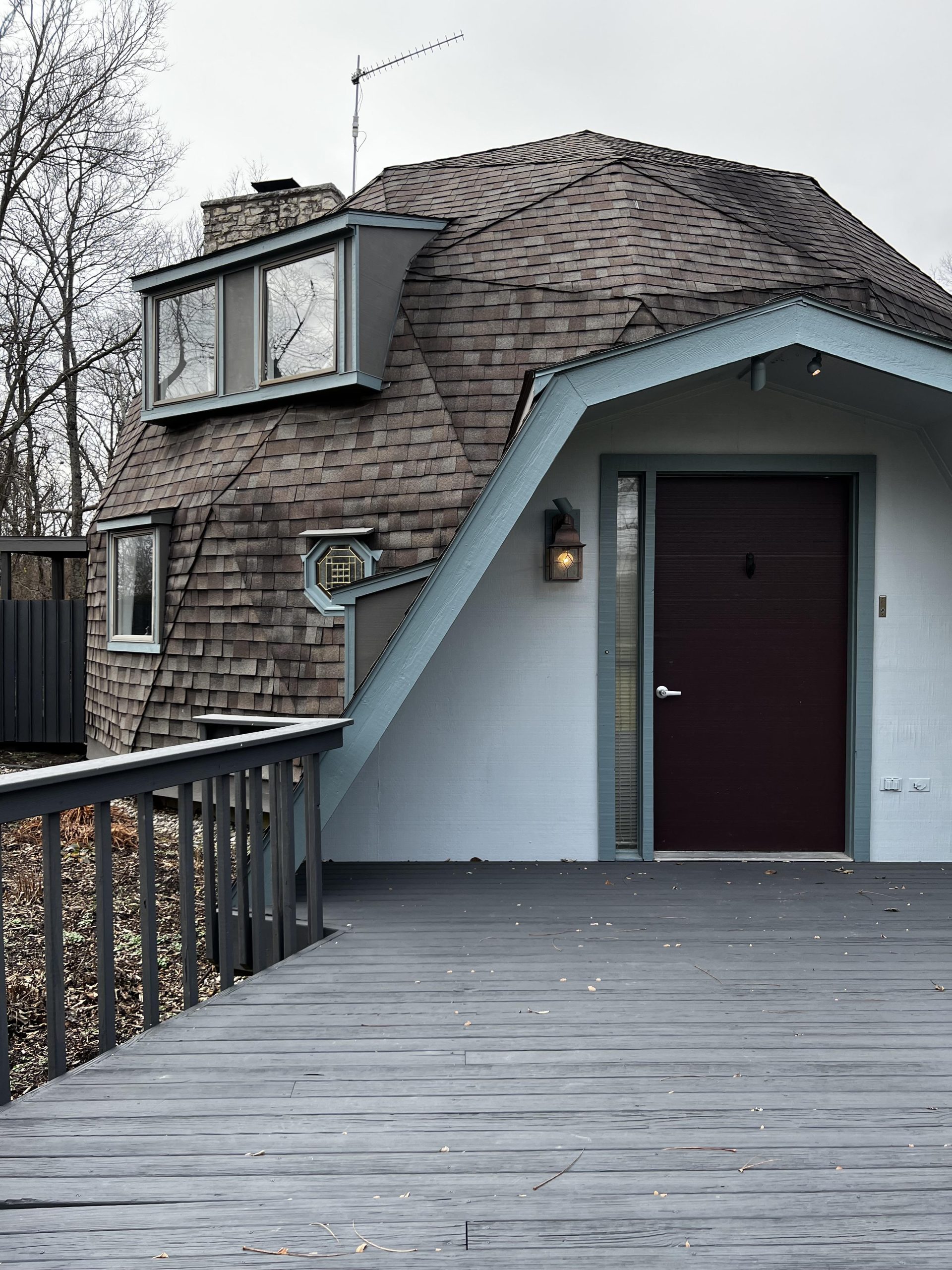
A non‑conforming loan applies to properties that fall outside those guidelines. And since dome homes, A‑frames, barndos, earth homes, and other unconventional designs don’t exactly look or function like the traditional homes lenders see every day, they often land in the non‑conforming category.
Why Are Geodesic Homes Considered Non-Conforming?
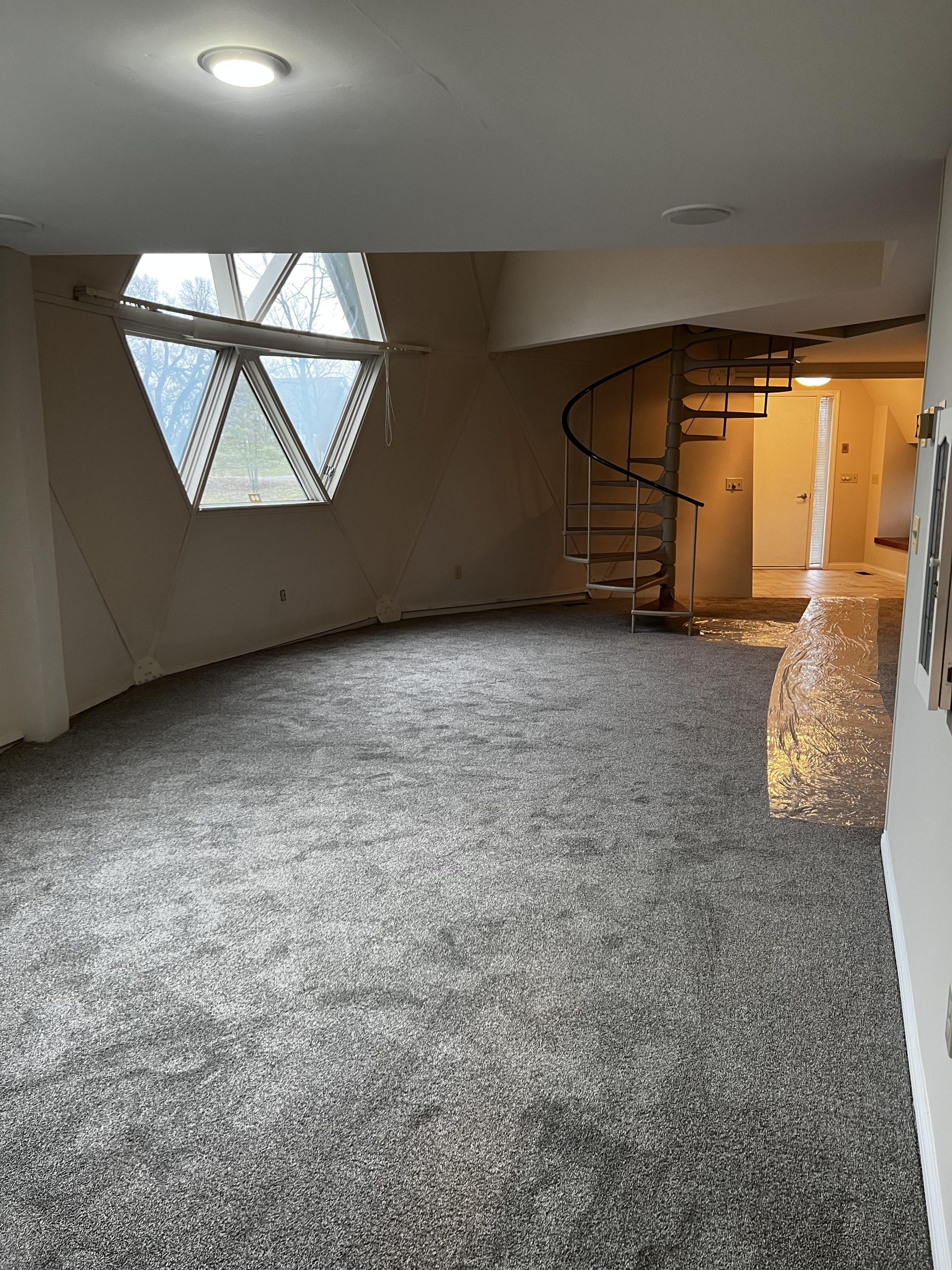
Of course, I think Geodesic homes are wonderful—but they’re also rare, which makes lenders pause. Their shape alone breaks the mold of traditional construction, and many domes use specialized materials or engineering techniques that aren’t found in everyday home builds. Because there aren’t usually many dome homes nearby, it can also be hard to find comps to determine their market value. After all, how do you compare a dome to a colonial built in 1991? Those comparisons—are what the lender’s appraisers typically rely on to justify value, so when there aren’t many, lenders naturally become more cautious.
None of this means a dome home can’t be financed. It simply means the process may look a little different than what you’d expect with a typical suburban home.
The Challenges You May Face
Most of the hurdles come from the fact that unique homes don’t follow the usual structure that lenders and appraisers are used to. You may find that fewer lenders work with non‑conforming properties, or that some lenders ask for a slightly larger down payment or offer different interest rates because they consider the home outside the norm. Appraisals may take a little more time or require someone familiar with non‑traditional homes.
Again—these aren’t deal breakers. They’re just things that help you know what to expect upfront.
How to Overcome These Challenges (Yes, your dream is still possible)
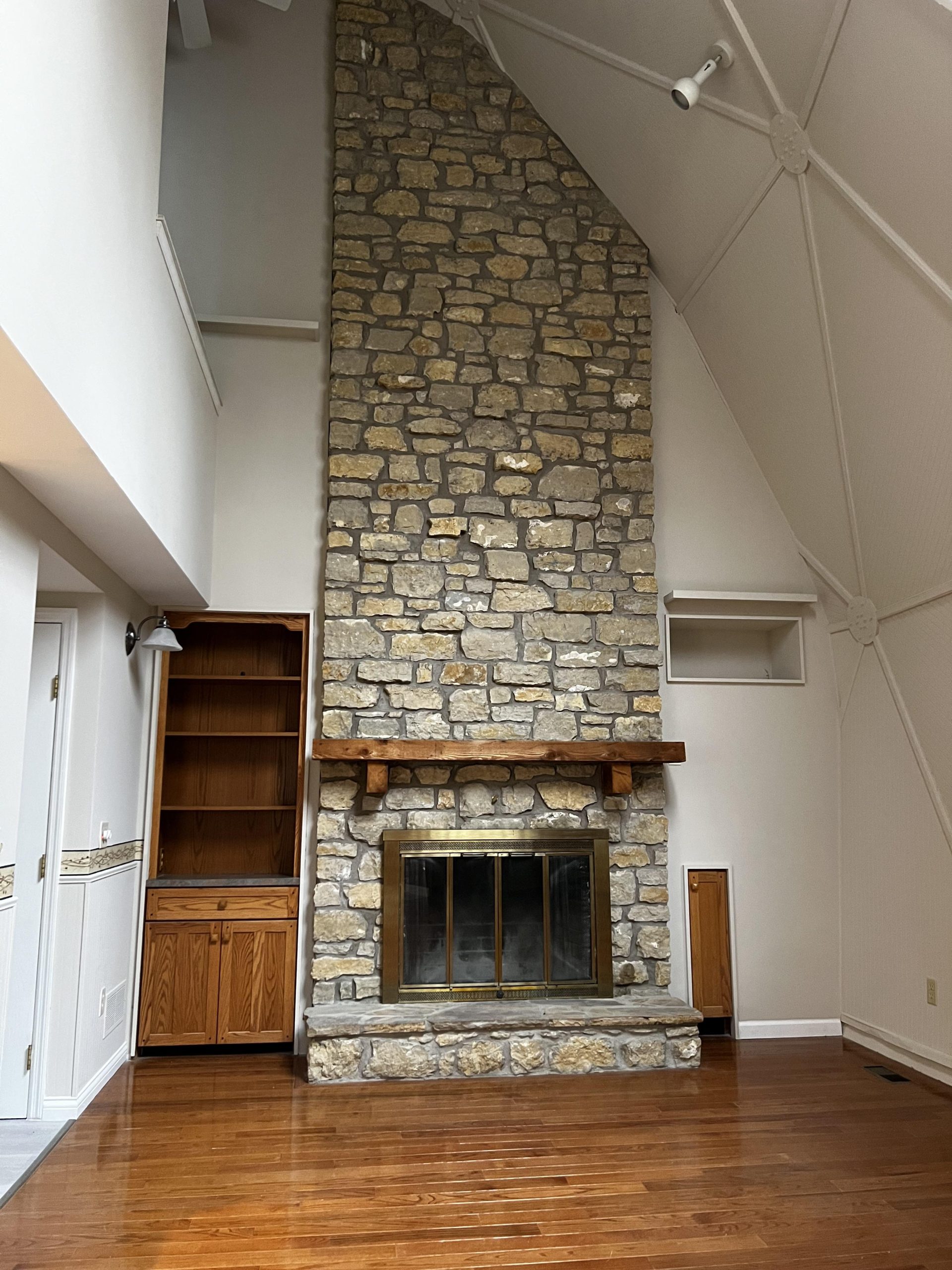
Here’s where things start looking up. Financing a dome home is absolutely possible—you just need the right strategy and the right people on your side.
Start by working with a Realtor who understands unique homes. While Realtors don’t give you your specific lending advice, we do want you to understand how partnering with the right lender makes a world of difference. Not every lender works with dome homes, but the ones who do are already familiar with their construction, their quirks, and the type of documentation needed to get things approved. Starting with a lender who “gets it” can save you from a lot of frustration later.
Appraisals are another key part of the puzzle. Because dome homes are so unique, they need an appraiser who knows how to evaluate them properly. Fortunately, lenders who specialize in non‑traditional homes usually have access to experienced appraisers who can accurately assess the property without trying to compare it to the most basic house on the street.
And finally, keep in mind that sometimes buyers choose loan structures that are a bit more creative, or bring a larger down payment to the table, simply because it can make the process easier. Every situation is different, and your lender will explain what’s possible for your specific financial profile.
The Bottom Line
Funding a geodesic dome or any alternative home may come with a few extra hoops to jump through—but it’s far from impossible. With preparation, patience, and the right team behind you, your dream home is well within reach.
Dome homes are becoming more popular and more understood every year. As the market grows, financing is likely to evolve with it. So stay positive, stay determined, and keep chasing that one‑of‑a‑kind home you’ve fallen in love with.
Ready to Make a Move?
Whether you’re searching for your dream home or preparing to sell one, I’m here to help make the process clear, enjoyable, and maybe even a little fun. Helping people find the team to guide you through the process is so important!
👉 Follow Home Sweet Dome for more stories, insights, renovation updates, and tips for navigating unique homes.
👉 Reach out anytime if you’re ready to start exploring or want guidance on your journey toward your own wonderfully unconventional home.
